CASE | FORA DA SAFE
CASE | FORA DA SAFE
How an MVP brought in over 3,500 users in 24 hours
How an MVP brought in over 3,500 users in 24 hours
How an MVP brought in over 3,500 users in 24 hours
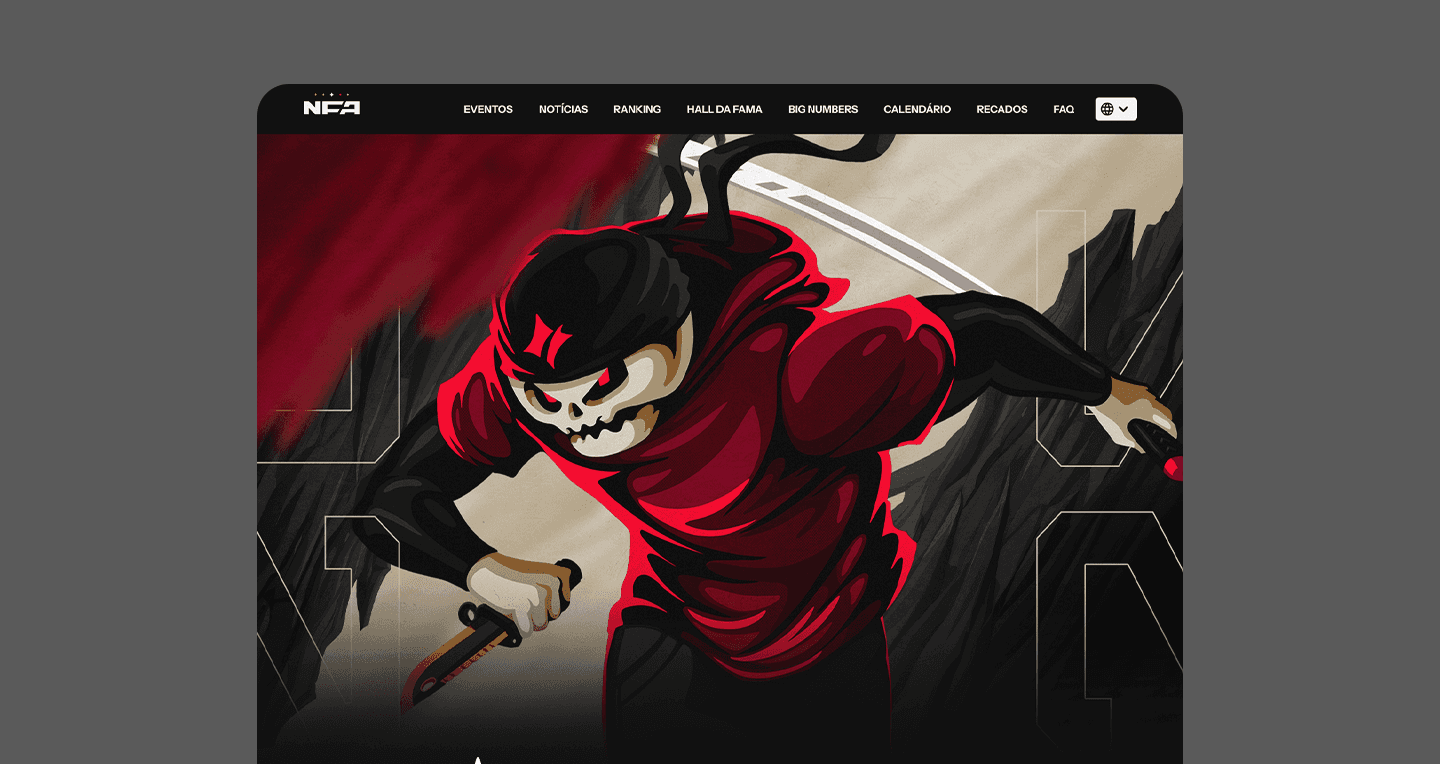
Fora da Safe is a content hub created by Jota, a leading Free Fire influencer, born from the success of his Watch Parties with friends.
Fora da Safe is a content hub created by Jota, a leading Free Fire influencer, born from the success of his Watch Parties with friends.
Fora da Safe is a content hub created by Jota, a leading Free Fire influencer, born from the success of his Watch Parties with friends.

Categories
Categories
Esports
Esports
Website
Website
Year
Year
2025
2025
Role
Role
Product Designer
Product Designer
Client
Client
Fora da Safe
Fora da Safe
• THE PROBLEM
It was a growing community, but with no digital home
It was a growing community, but with no digital home
It was a growing community, but with no digital home
As Jota's Watch Parties grew, so did the fragmentation. Fans jumped between YouTube, Twitter, Instagram, and third-party stat sites to follow the competitive scene. There was no single place that centralized news, tournament history, player stats, and live content.
The process today relies on personal referrals, scattered Instagram profiles, and slow back-and-forth messaging.
By the time a user discovers the price, they've already invested time building expectations. When it doesn't match, they drop off, or worse, hire anyway and feel let down.
68,5% don’t know the price before the first contact, 100% of drop-offs happen due to late price discovery, and the current process leads to post-hiring regret in approximately 40% of cases.
As Jota's Watch Parties grew, so did the fragmentation. Fans jumped between YouTube, Twitter, Instagram, and third-party stat sites to follow the competitive scene. There was no single place that centralized news, tournament history, player stats, and live content.

• THE SOLUTION
A focused MVP built on what the community actually asked for
A focused MVP built on what the community actually asked for
A focused MVP built on what the community actually asked for
The Process
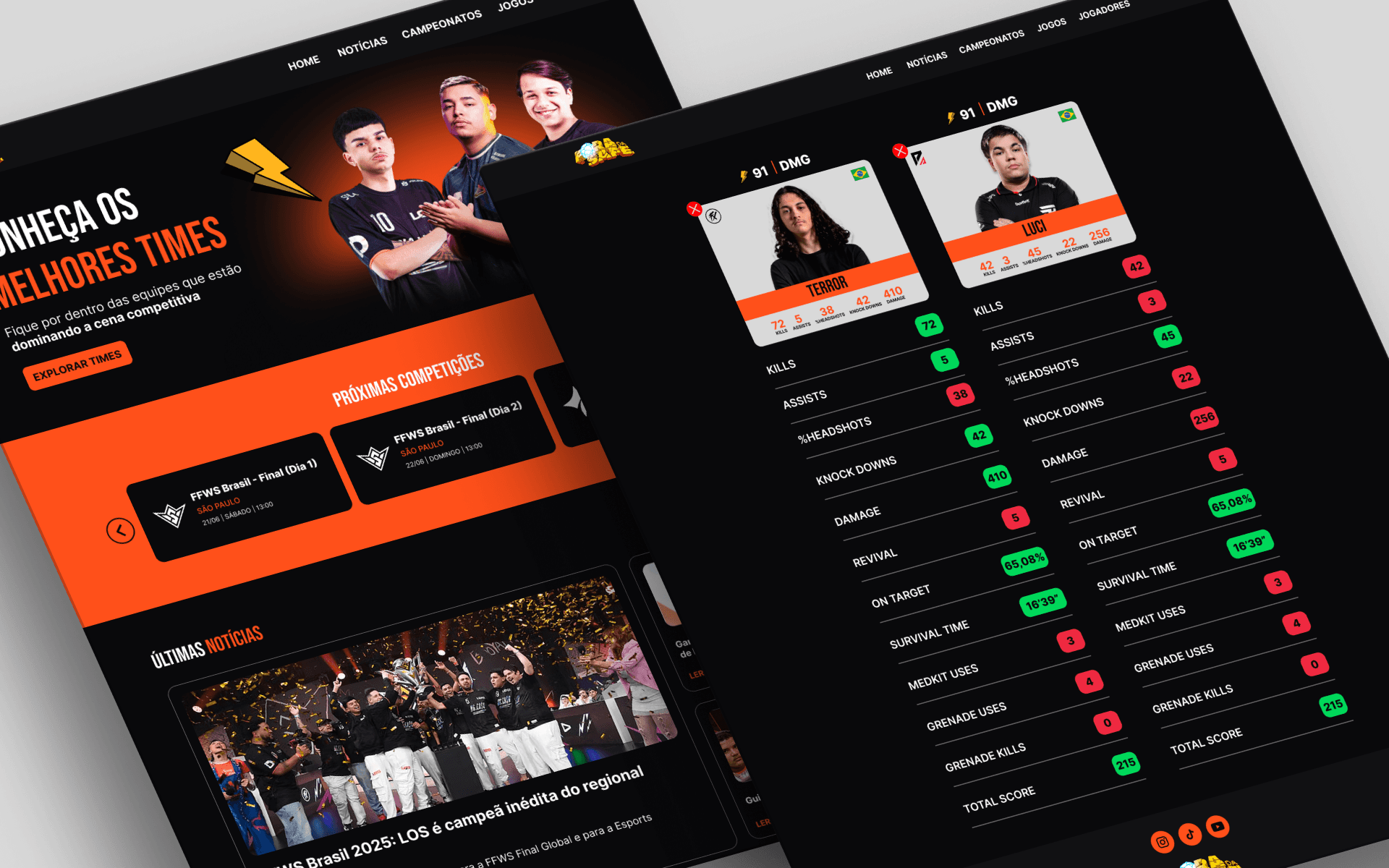
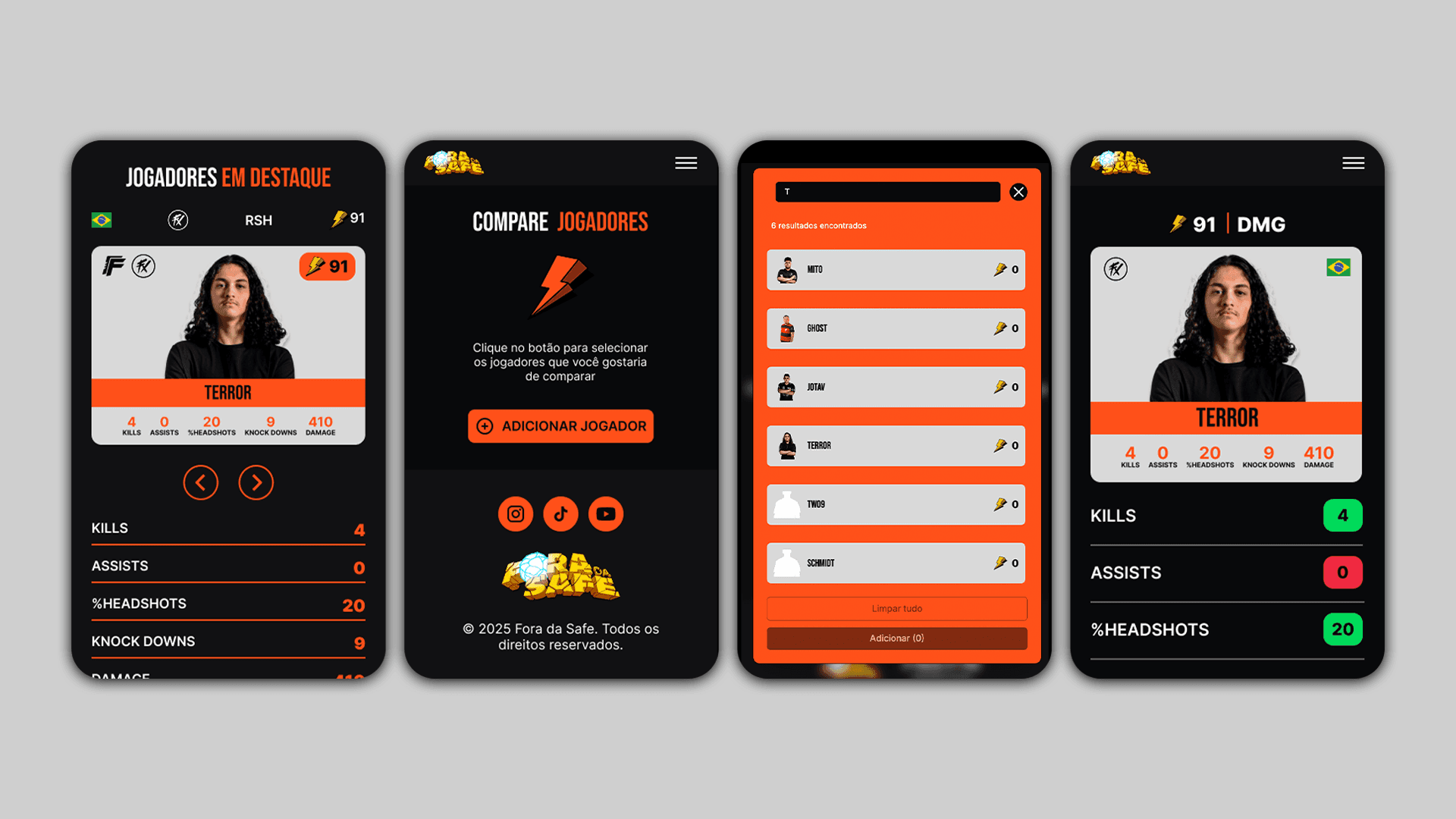
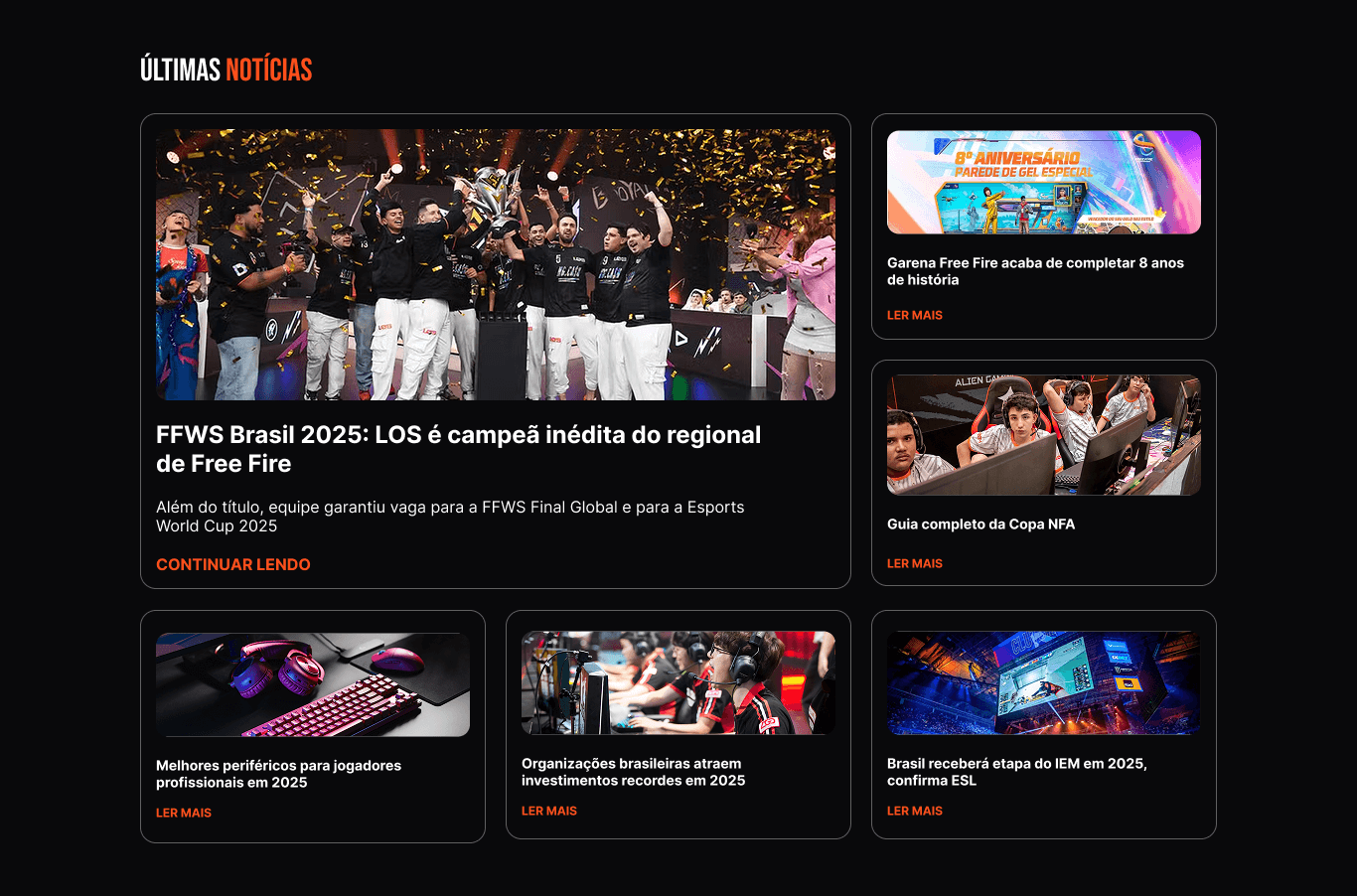
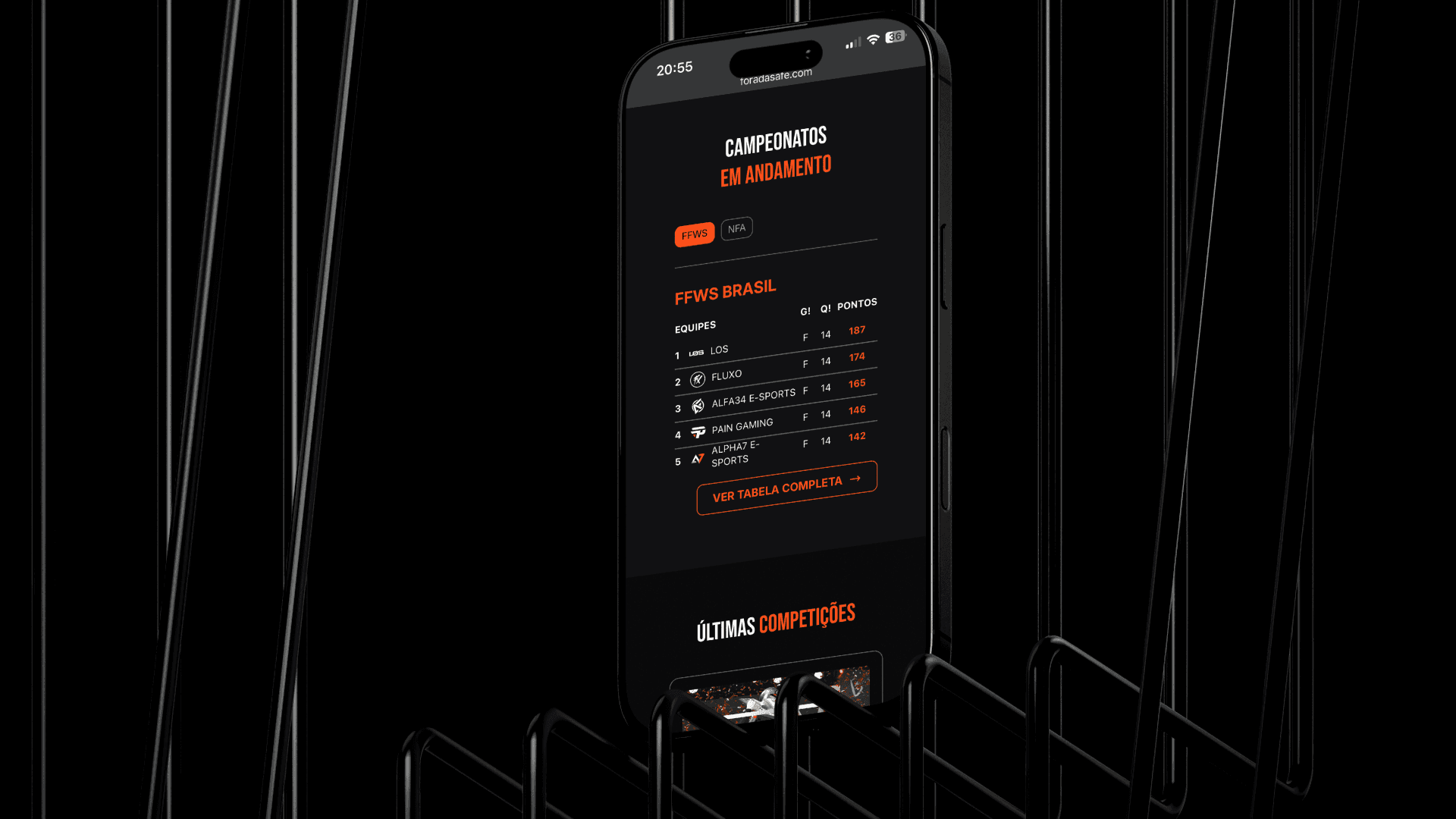
Instead of building everything, I prioritized ruthlessly. Qualitative research with the community pointed to three core needs: real-time news, tournament history, and player comparison. Everything else was mapped for later.
The Process
Instead of building everything, I prioritized ruthlessly. Qualitative research with the community pointed to three core needs: real-time news, tournament history, and player comparison. Everything else was mapped for later.
The Process
Instead of building everything, I prioritized ruthlessly. Qualitative research with the community pointed to three core needs: real-time news, tournament history, and player comparison. Everything else was mapped for later.
The Process
Instead of building everything, I prioritized ruthlessly. Qualitative research with the community pointed to three core needs: real-time news, tournament history, and player comparison. Everything else was mapped for later.
The Goal
The goal was to validate whether a single hub could hold the community, before investing in complexity.
The Goal
The goal was to validate whether a single hub could hold the community, before investing in complexity.
The Goal
The goal was to validate whether a single hub could hold the community, before investing in complexity.
The Goal
The goal was to validate whether a single hub could hold the community, before investing in complexity.
• RESEARCH
Qualitative research directly with the influencer's community
Qualitative research directly with the influencer's community
Qualitative research directly with the influencer's community
I conducted interviews with Jota's audience to understand real pain points before touching any design. The findings were specific enough to drive every prioritization decision.
I conducted interviews with Jota's audience to understand real pain points before touching any design. The findings were specific enough to drive every prioritization decision.
I conducted interviews with Jota's audience to understand real pain points before touching any design. The findings were specific enough to drive every prioritization decision.
I conducted interviews with Jota's audience to understand real pain points before touching any design. The findings were specific enough to drive every prioritization decision.
68% of fans
68% of fans
relied on 4+ platforms to follow a single tournament
relied on 4+ platforms to follow a single tournament
relied on 4+ platforms to follow a single tournament
75% of followers
75% of followers
watched streams on desktop while using mobile as a second screen
watched streams on desktop while using mobile as a second screen
watched streams on desktop while using mobile as a second screen
92% approval
92% approval
rating for a player comparison feature
rating for a player comparison feature
rating for a player comparison feature
• DESIGN DECISIONS
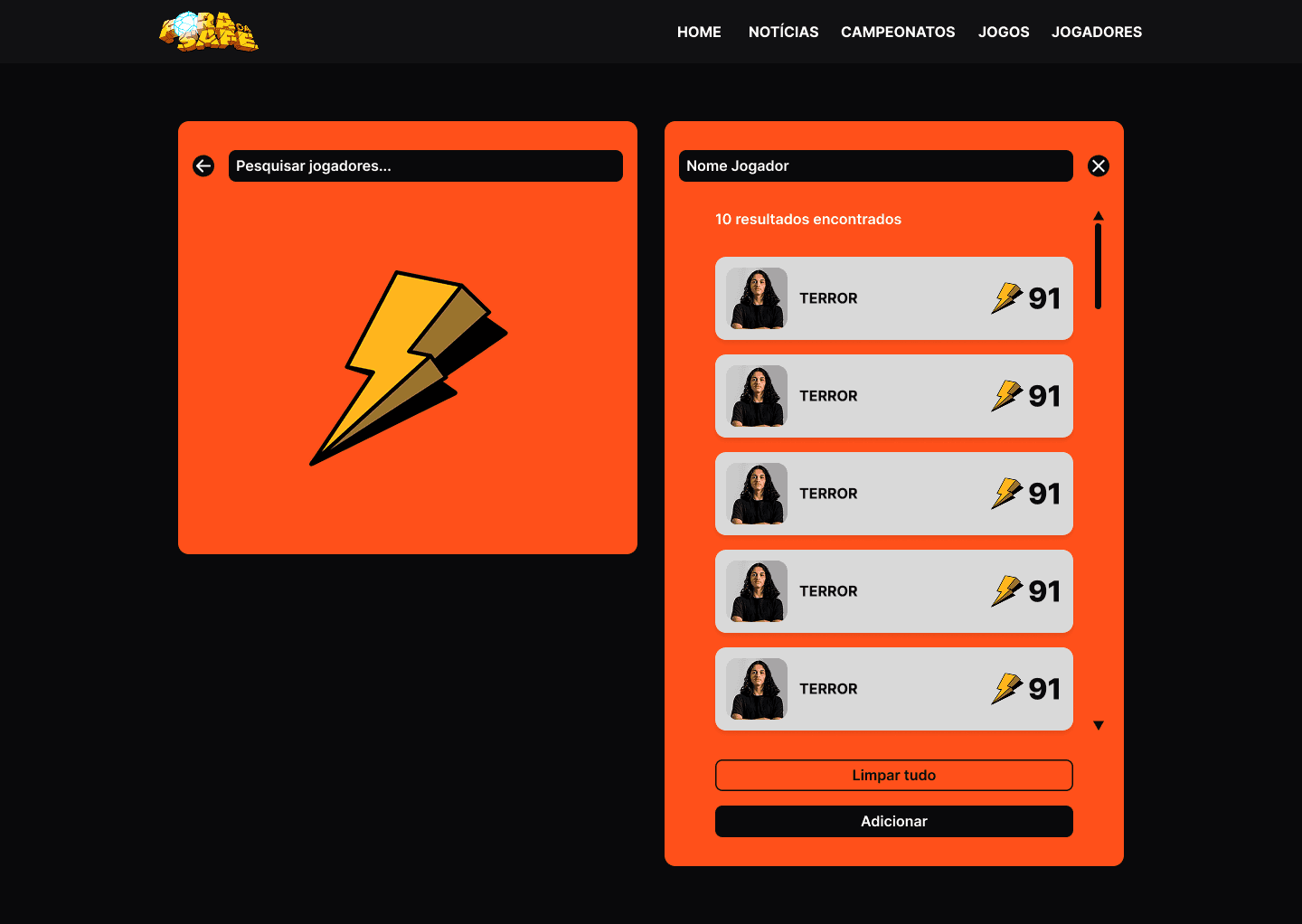
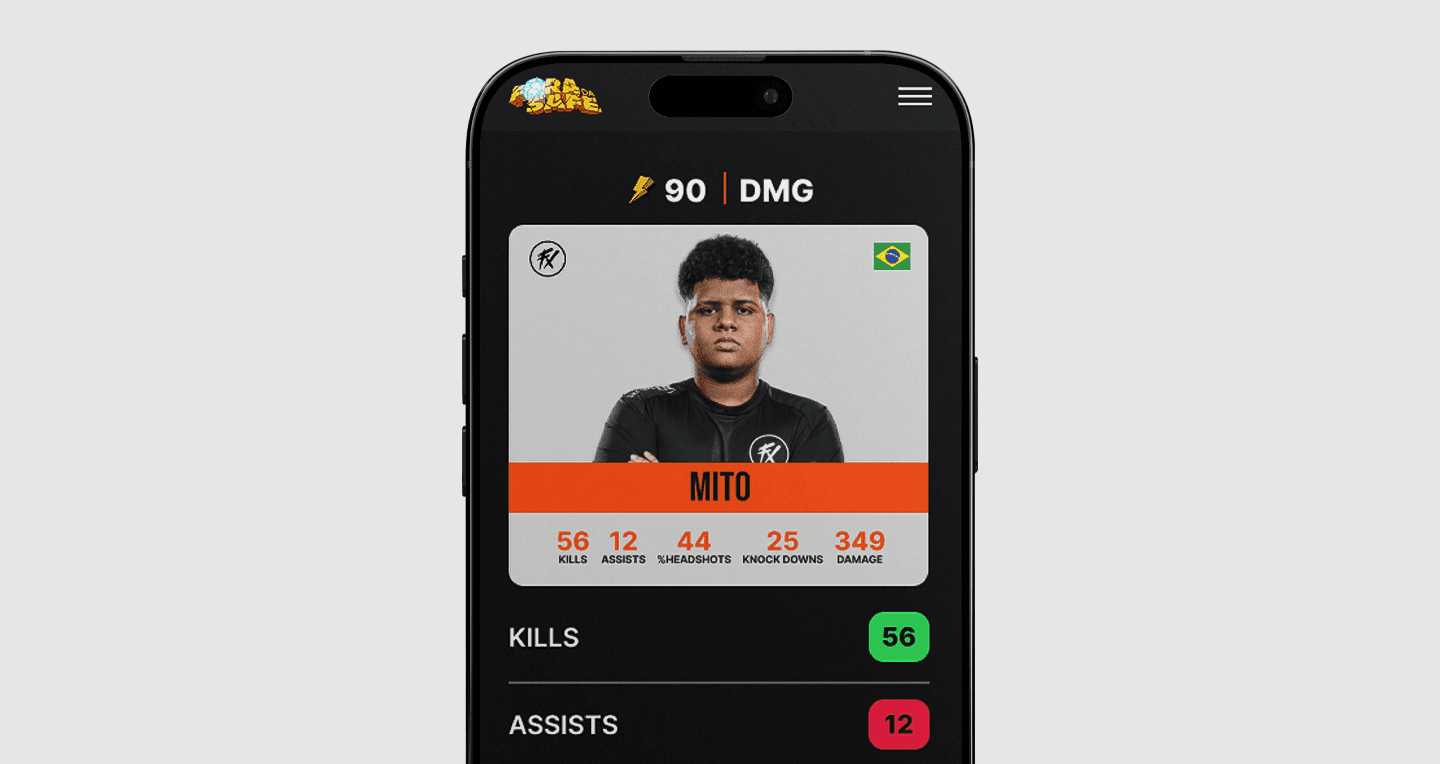
Each feature earned its place through research
Each feature earned its place through research
Each feature earned its place through research

• IMPACT
Results brought
Results brought
Results brought
+3500
+3500
users in the first 24 hours, without paid acquisition
users in the first 24 hours, without paid acquisition
users in the first 24 hours, without paid acquisition
+56%
+56%
of new users became recurring visitors within the first month
of new users became recurring visitors within the first month
of new users became recurring visitors within the first month
38%
38%
of bounce rate, well below the industry average for content hubs
of bounce rate, well below the industry average for content hubs
of bounce rate, well below the industry average for content hubs
+248
+248
new users per day sustained after launch
new users per day sustained after launch
new users per day sustained after launch
Learnings
• Validating content filters during the prototyping phase with more extensive usability testing would have uncovered this friction point before implementation.
• Prioritizing strategic automation (tournament calendar) in the MVP would save operational time without impacting the deadline.
Learnings
• Validating content filters during the prototyping phase with more extensive usability testing would have uncovered this friction point before implementation.
• Prioritizing strategic automation (tournament calendar) in the MVP would save operational time without impacting the deadline.
Learnings
• Validating content filters during the prototyping phase with more extensive usability testing would have uncovered this friction point before implementation.
• Prioritizing strategic automation (tournament calendar) in the MVP would save operational time without impacting the deadline.
Learnings
• Validating content filters during the prototyping phase with more extensive usability testing would have uncovered this friction point before implementation.
• Prioritizing strategic automation (tournament calendar) in the MVP would save operational time without impacting the deadline.